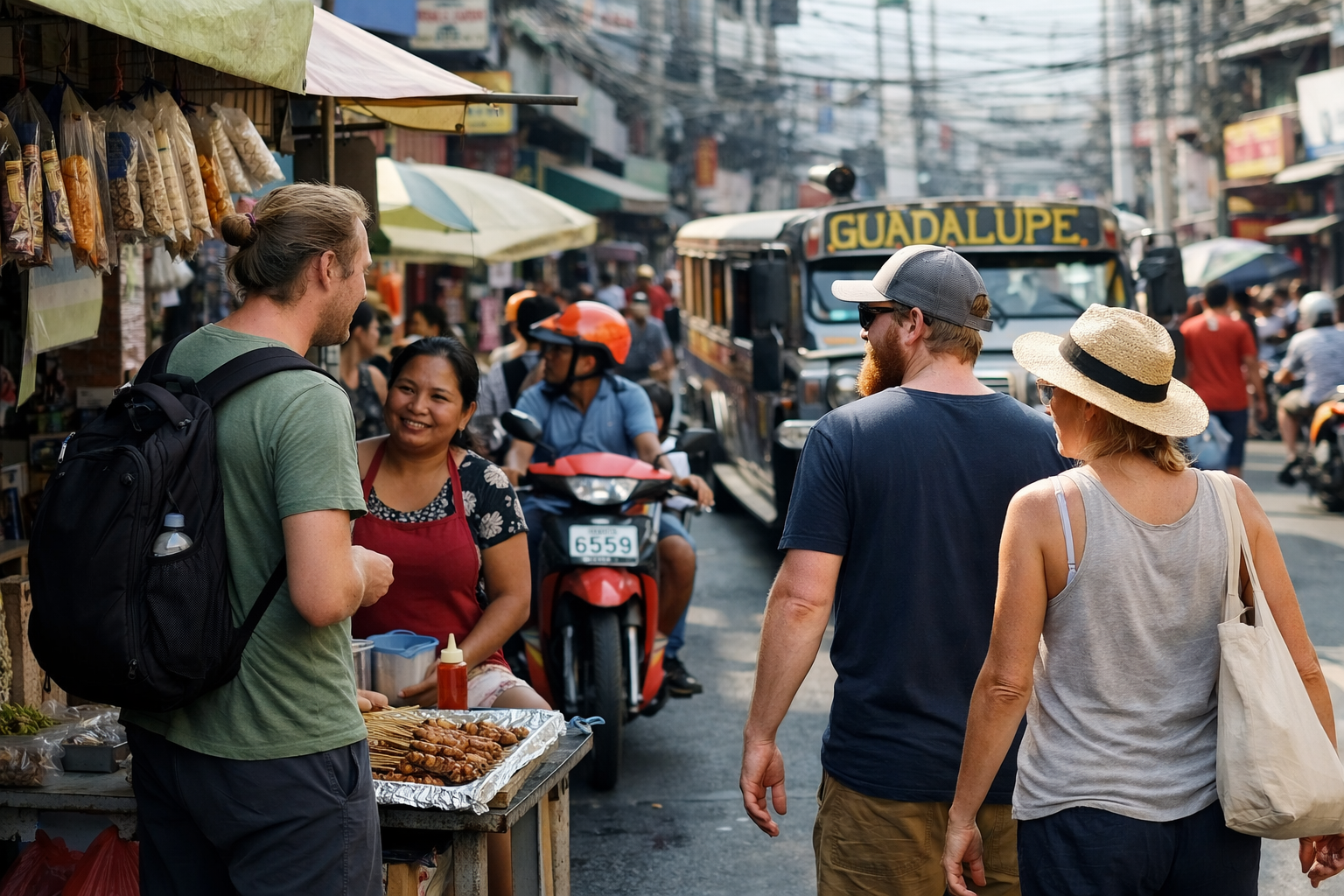
Things Filipinos Know But Foreigners Don’t in the Philippines
Living in the Philippines as a foreigner can be confusing at first—not because things are difficult, but because many everyday systems work very differently from what foreigners expect.
For Filipinos, these things are normal and rarely explained. For foreigners, they often lead to frustration, wasted time, and avoidable mistakes. This article explains the practical realities of daily life in the Philippines that locals already understand but foreigners usually learn the hard way.
If you plan to live in the Philippines long-term, understanding these differences early will save you stress and money.
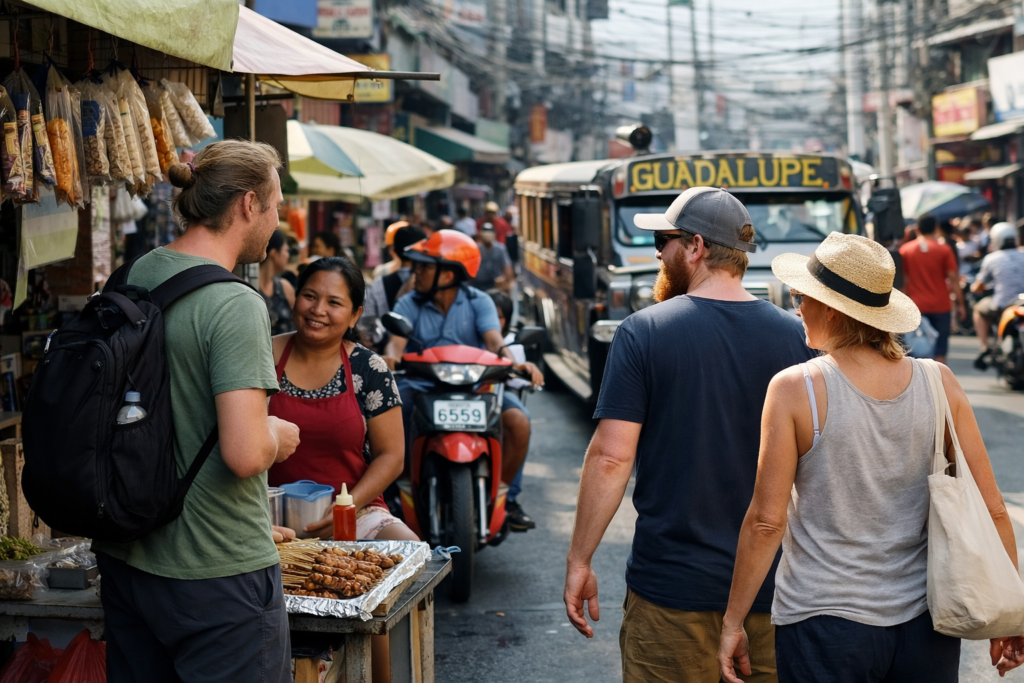
Mobile payments work differently in the Philippines
Many foreigners arrive expecting Apple Pay or Google Pay to work everywhere. In the Philippines, they usually don’t.
Instead, daily transactions rely heavily on local mobile wallets like GCash and Maya. These apps are used for:
- paying in convenience stores
- sending money to individuals
- online shopping
- utility bills
- transportation services
For locals, this system is obvious. For foreigners, it often comes as a surprise when international payment methods are rejected in everyday situations.
Cash is still necessary in daily life
Even with the growth of digital wallets, cash is still essential in many situations.
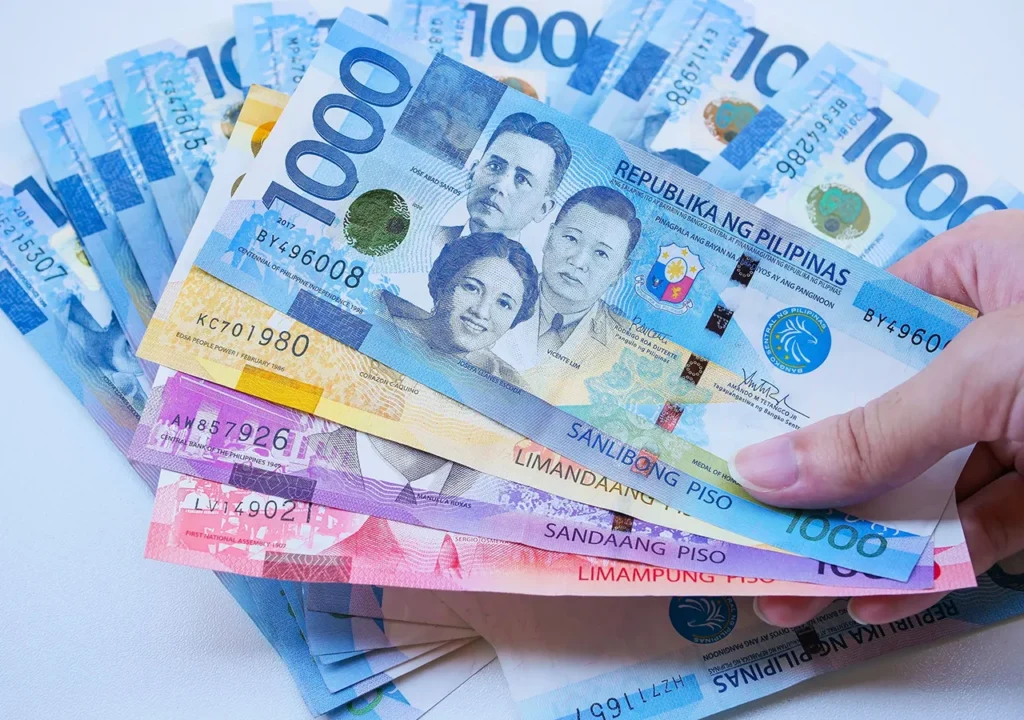
Small restaurants, street vendors, delivery drivers, and even some residential buildings may require cash. Foreigners who rely only on cards or digital payments often find themselves unprepared.
Filipinos instinctively carry small bills. Foreigners usually learn this only after being unable to pay for basic services.
IDs are required for many basic services
In the Philippines, identification is requested far more often than foreigners expect.
IDs may be required for:
- buying a SIM card
- opening bank accounts
- receiving deliveries
- entering residential buildings
- using certain apps or services
For locals, this is routine. For foreigners, it can feel excessive, especially when multiple IDs are requested for simple transactions.
Internet speed is not the same as internet stability
Foreigners often focus on advertised internet speeds. In the Philippines, stability matters more than speed.
Connections can be fast on paper but inconsistent in practice. Short outages, slowdowns, and variability between locations are common. This affects:
- remote work
- video calls
- online payments
- streaming services
Filipinos adapt to this reality. Foreigners often assume something is “broken” when it is simply how the system works.
Processes are slower and more manual than expected
Many systems in the Philippines remain paper-based and procedural.
Banking, government services, and customer support often involve:
- physical forms
- multiple steps
- waiting times
- repeated verification
Filipinos expect this and plan accordingly. Foreigners often underestimate how long basic processes can take and become frustrated by delays that are considered normal locally.
“Yes” does not always mean yes
In Filipino culture, direct refusal is often avoided to maintain harmony.
As a result:
- “Yes” may mean “I understand,” not agreement
- “Later” may mean “probably not”
- Silence may indicate hesitation
Filipinos understand these nuances intuitively. Foreigners who take responses literally may misunderstand expectations or timelines.
Customer service works differently
Customer service in the Philippines is polite and friendly, but not always efficient by foreign standards.
Follow-ups, confirmations, and reminders are often necessary. Filipinos know this and persist calmly. Foreigners may assume a request is being handled when it actually requires additional action.
Things often work informally
Many everyday arrangements operate through informal systems:
- verbal agreements
- messaging apps
- personal connections
This flexibility works well locally but can confuse foreigners who expect formal documentation for everything.
Living in the Philippines requires adjustment, not comparison
Most frustrations foreigners experience come from comparison, not actual difficulty.
Filipinos are accustomed to how systems function and adapt naturally. Foreigners who accept that things work differently—and learn how they actually operate—tend to integrate more smoothly.
Final thoughts
The Philippines is not difficult to live in as a foreigner, but it does require understanding local realities that are rarely explained.
This site exists to clarify those everyday systems and help foreigners navigate life in the Philippines with fewer surprises and fewer mistakes.